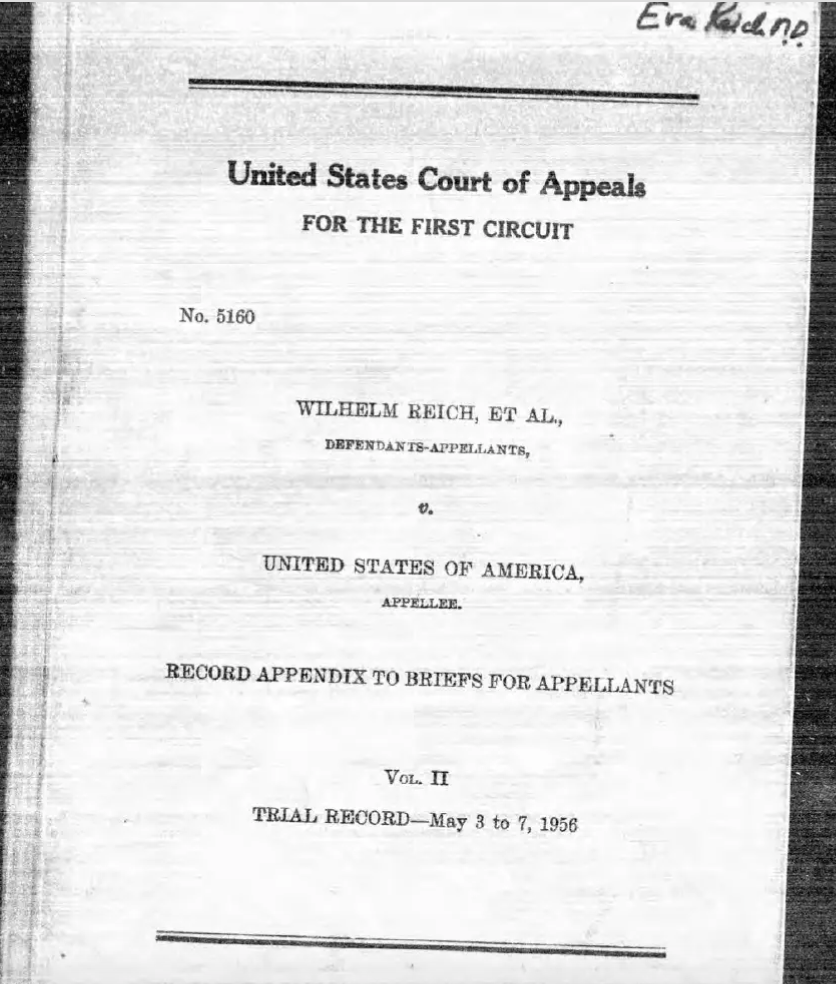
This is an extract of the trial record of the cross examination that took place between the defendant: Wilhelm Reich, accused by the government of the united states of promoting a “substance” that, according to the FDA, did not exist, representing himself, and Peter Mills, representing the government.
This Document is unlikely to be exposed by anybody, anywhere, by any means, yet it is a crucial part of history that exposes, by the very perpetrators themselves, the deceit, the fraud, the treason perpetrated, not against Wilhelm Reich nor the Discovery of the Life Energy, for both are untouchable by fraud, but against the human race, for a crucial Element required in order to evolve, to develop in the dignity of the power that health grants, has been robbed from the race, by the World’s most powerful entities, that rule from the shadows.
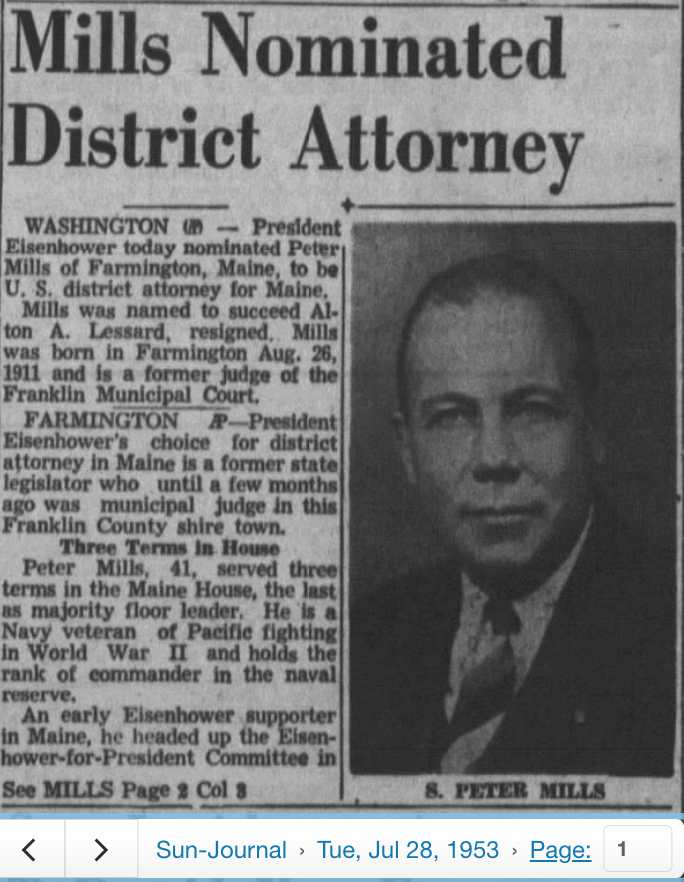
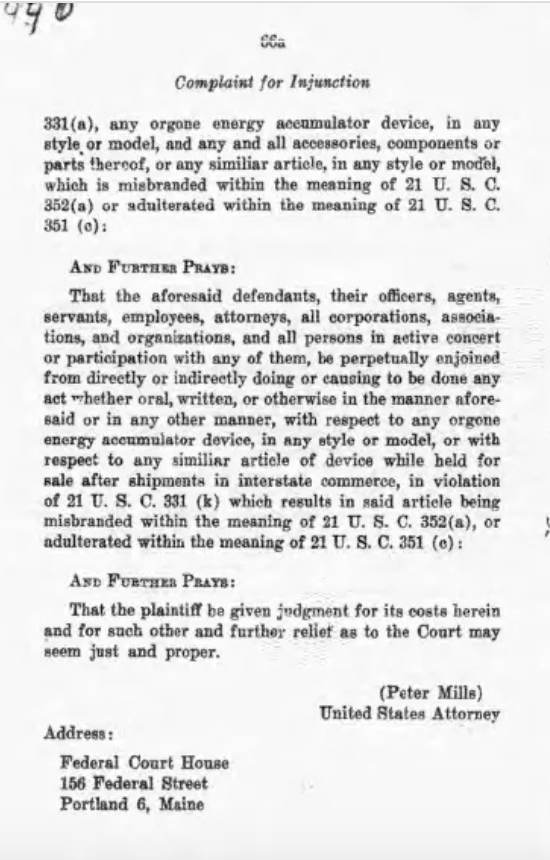
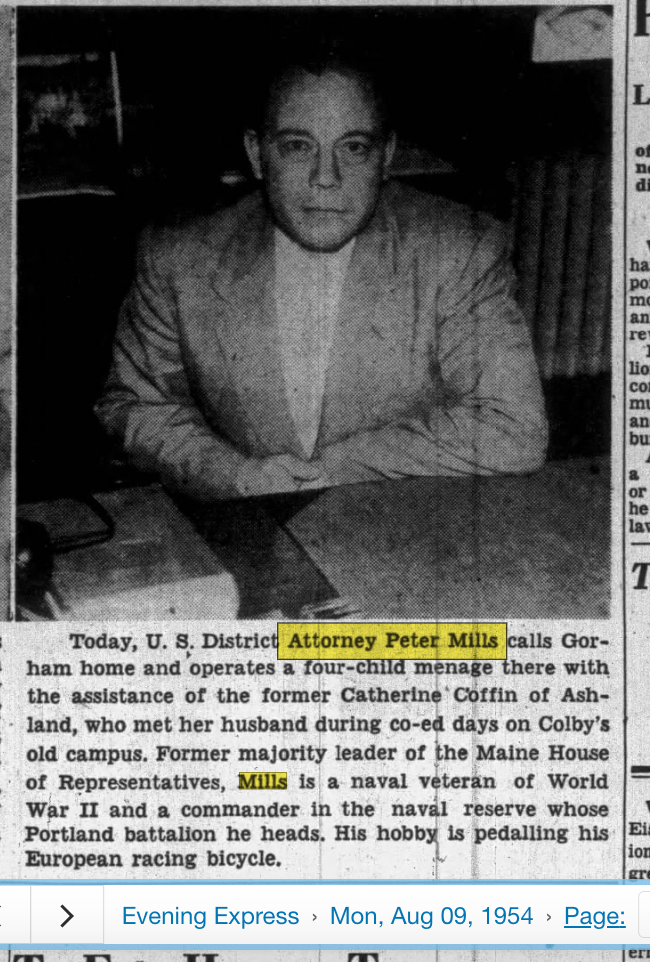
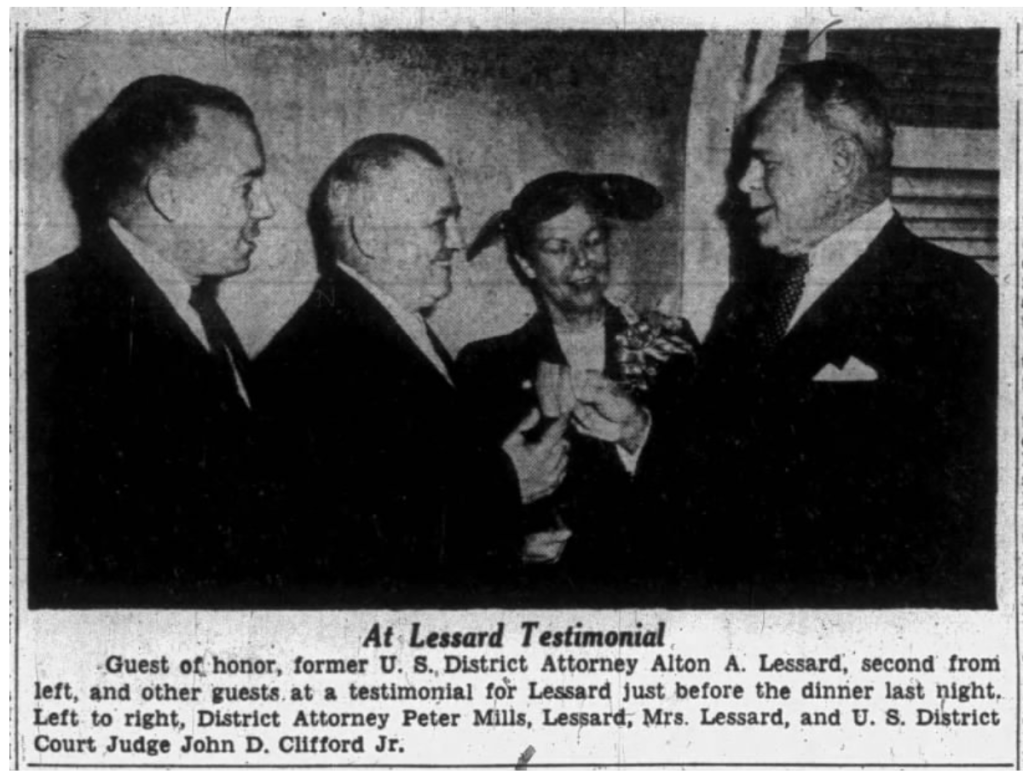
In this extract of the trial that took place months prior to Wilhelm Reich’s unlawful imprisonment, the fact that Peter Mill, the attorney that represented the government of the united states against the Discovery and Its discoverer, was perpetrating fraud by entering a conflict of interest, having been a former legal representative for the Wilhelm Reich Foundation and notarizing Its Incorporation, now prosecuting its former client, is demonstrated,and corroborated by the presiding judge who led the session.
Beyond that, the broader question remains: no government department or court of law holds the legitimate authority to pass judgement upon a new scientific discovery, let alone prohibit Its Application in the cure of disease, most particularly one demonstrated to hold measurable Healing properties.
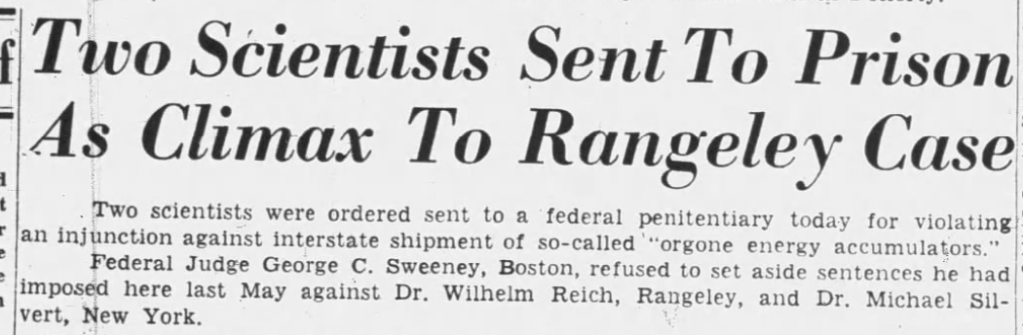
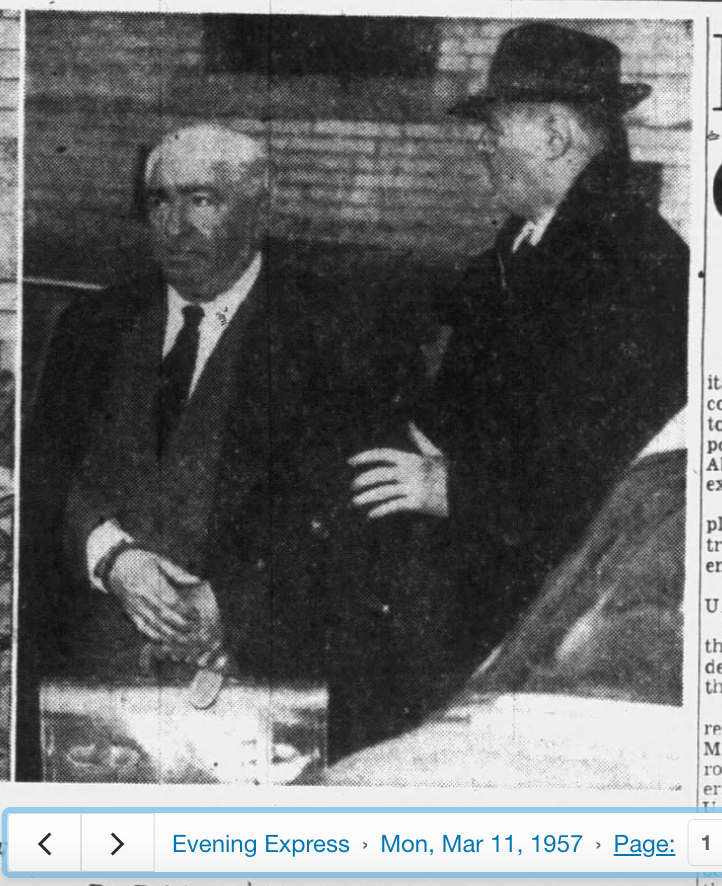
Nevertheless, the proceedings continued, ultimately resulting in the burning of Wilhelm Reich’s Books and Scientific Literature, and his imprisonment.
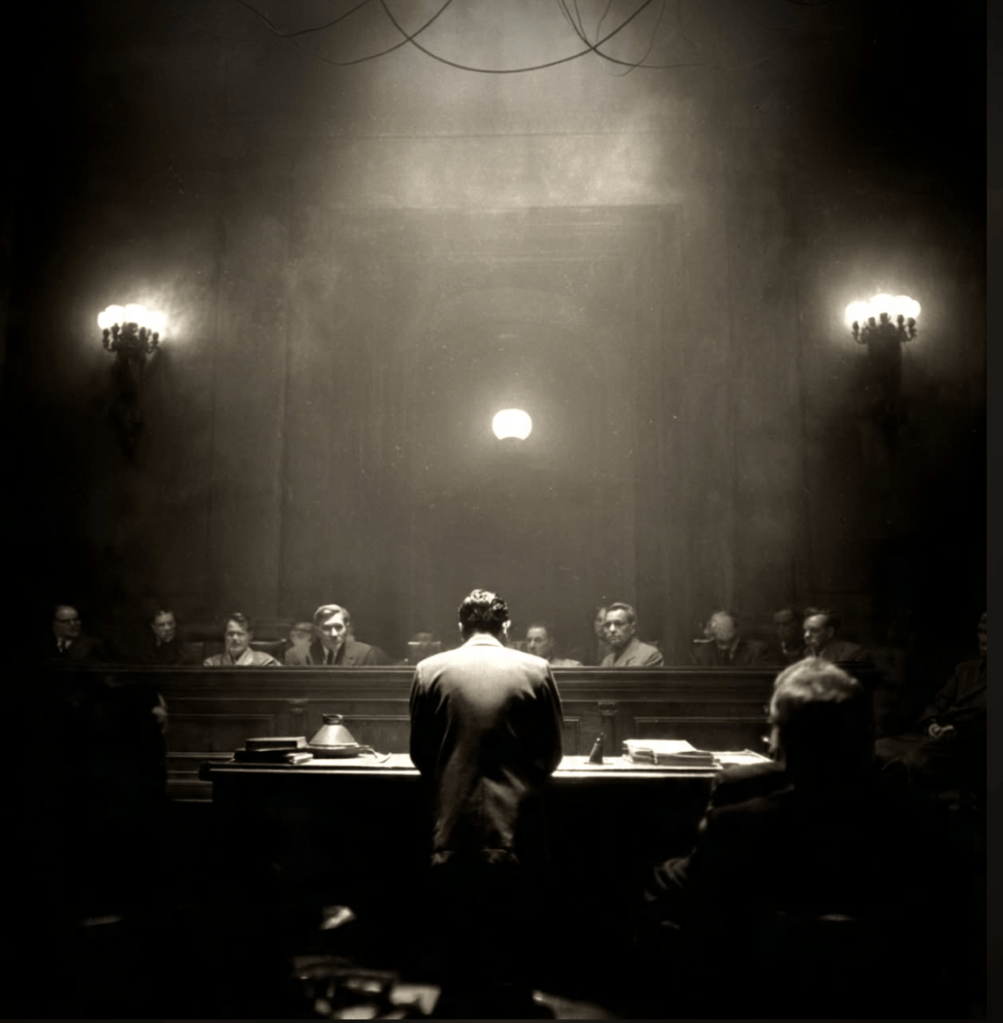

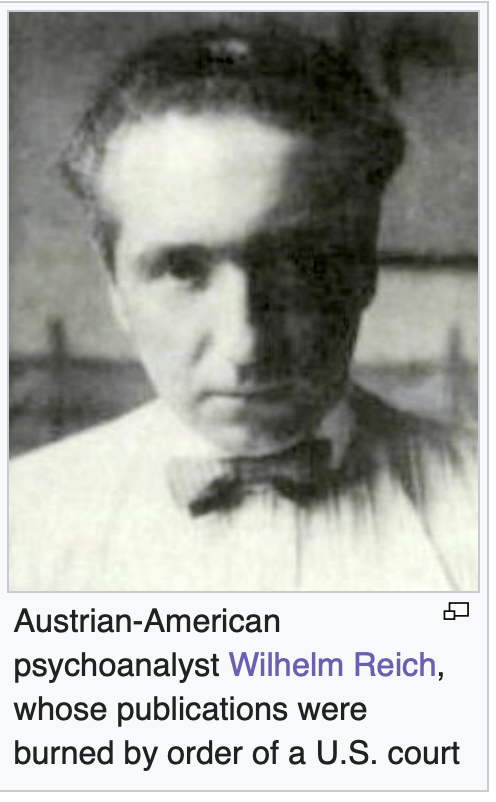

This is one of the most clearly documented instances of the fraud perpetrated against Wilhelm Reich and the Discovery of the Life Energy, and of the impunity with which it was carried out.
Excerpt from The Trial Record, cross examination of Peter Mills by Wilhelm Reich:
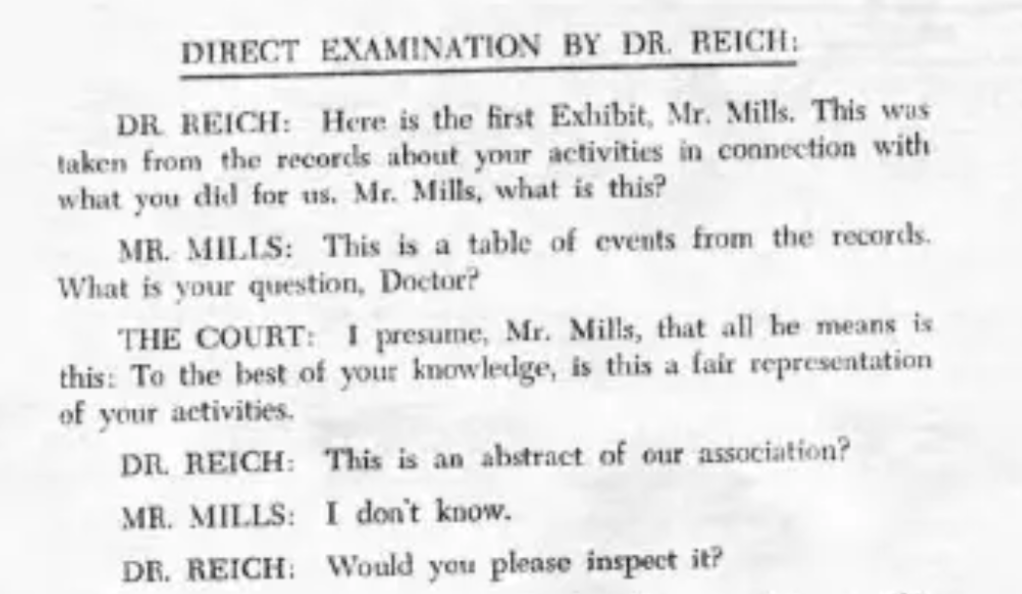
Transcript:
Wilhelm Reich, representing himself, methodically places before the very attorney prosecuting him, the documented record of their prior association. The process of extracting from Mills the admission, starts with this initial interaction.
The uncomfort already building up as Truth presses on delivered by the skillful procedure of Its deliverer, Wilhelm Reich, cannot be hidden by Its target: each word betrays a liar, and as much of a district attorney that Peter Mills was, his position and status was no match for the obvious and yet, majestic, presence of Truth, imposed to be recognized in front of his face.
“what is your question, Doctor?”, Peter Mills asks, possibly intending to take advantage of his hallucinated perceived superiority over the man he was betraying, a man who had nobody but Truth and Reality, representing him.
The apparent vague question raised was clear: “what is this?”, as the documents he, himself, signed, in his quality of Notary public years earlier, legalizing the incorporation of the Wilhelm Reich Foundation, among others, was placed in front of him.
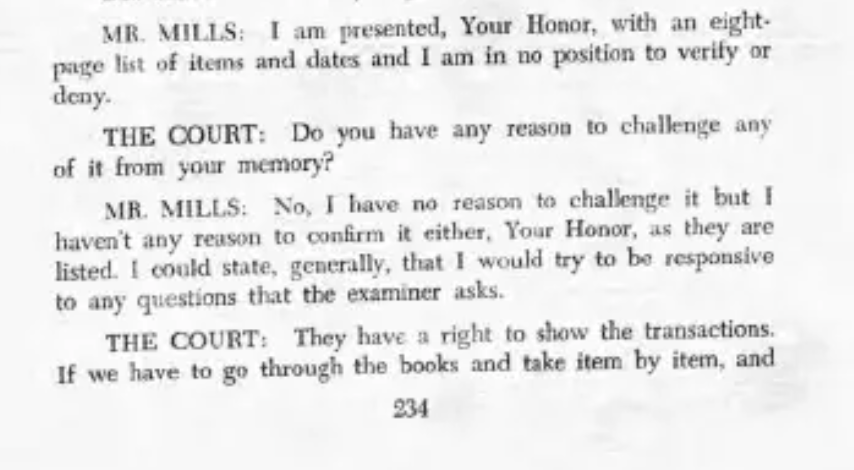
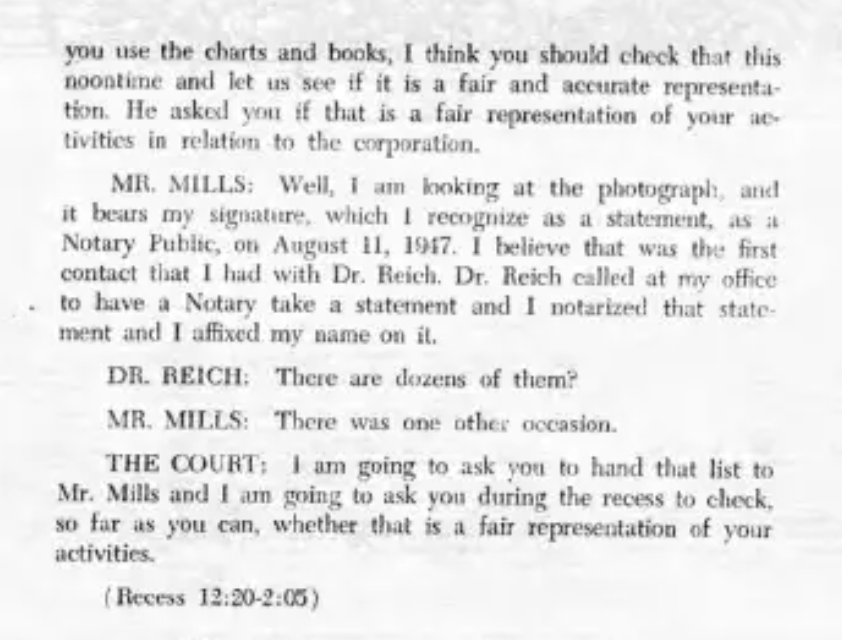
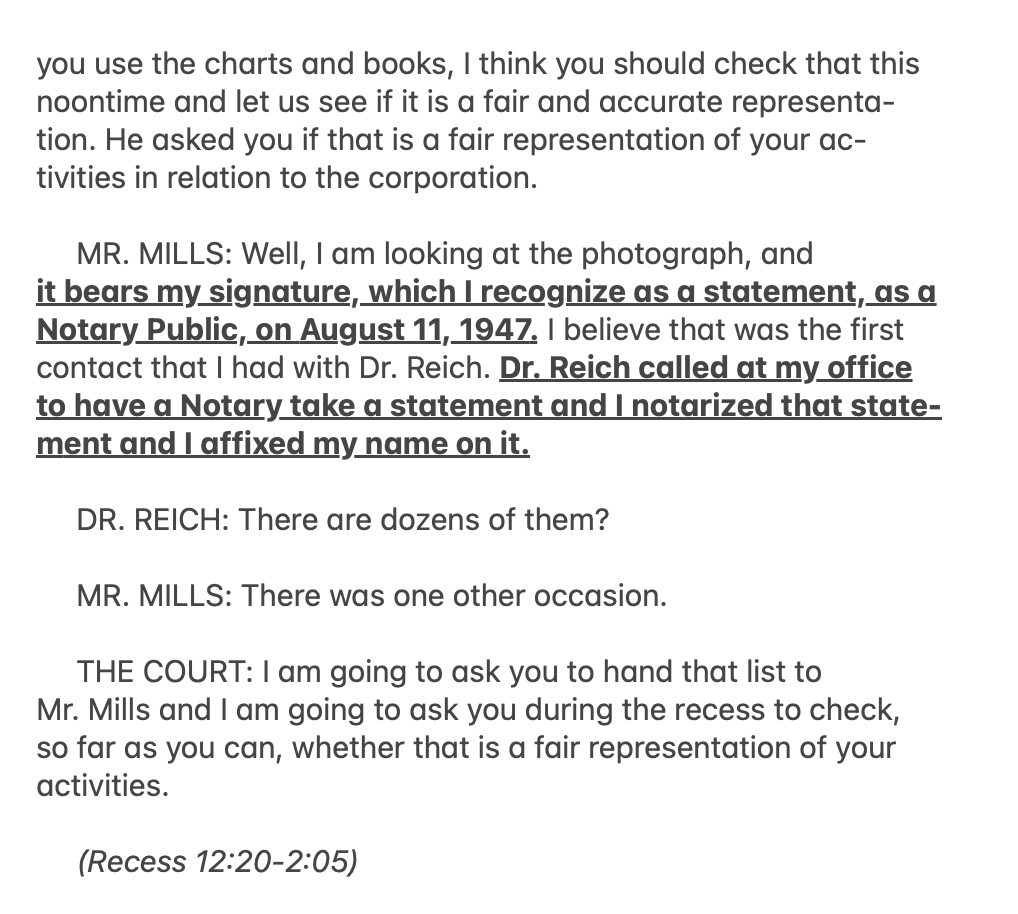
Transcript (bold and underscored text mine):
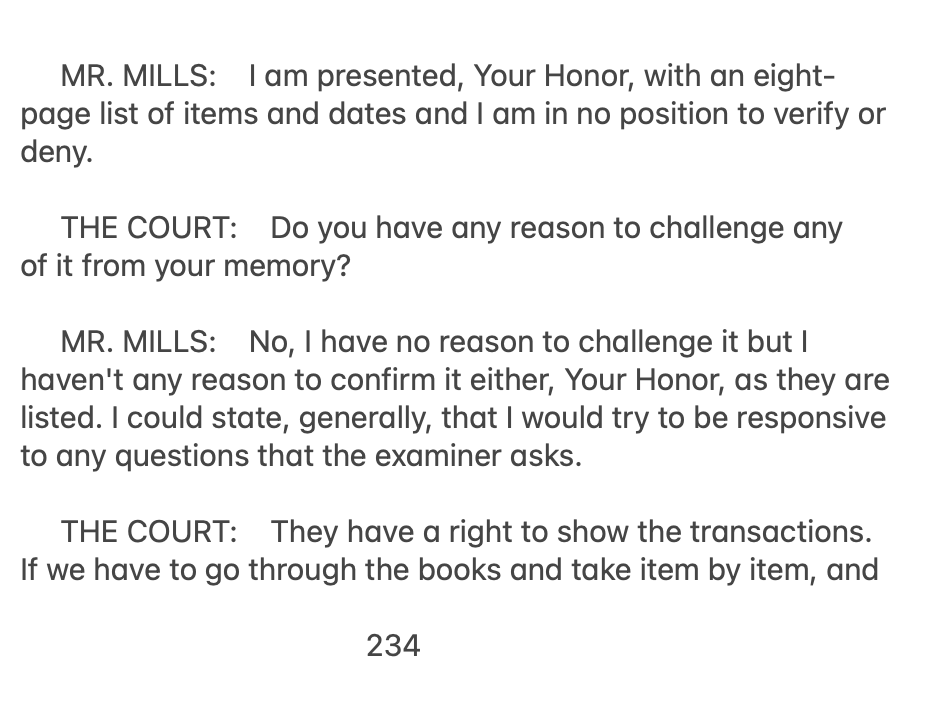
This admission, already exposes Mill’s initial resistance to confront the clear evidence presented by Wilhelm Reich, as an attempt to evade public recognition of his previous connection to the Wilhelm Reich Foundation as a legal representative.
The fact that Peter Mills turns to the Court describing as a vague abstraction what so precisely those 8 pages signified, demonstrates the ungenuine character that this attorney held, in order to attempt to disguise, deviate and, perhaps, find shelter from the same system that placed him as a representative of the most powerful nation on Earth. Instead, the presiding Judge exercises an impartial gesture, and goes as far as asking if he, perhaps, had any reason to challenge any of the information contained in the documents.
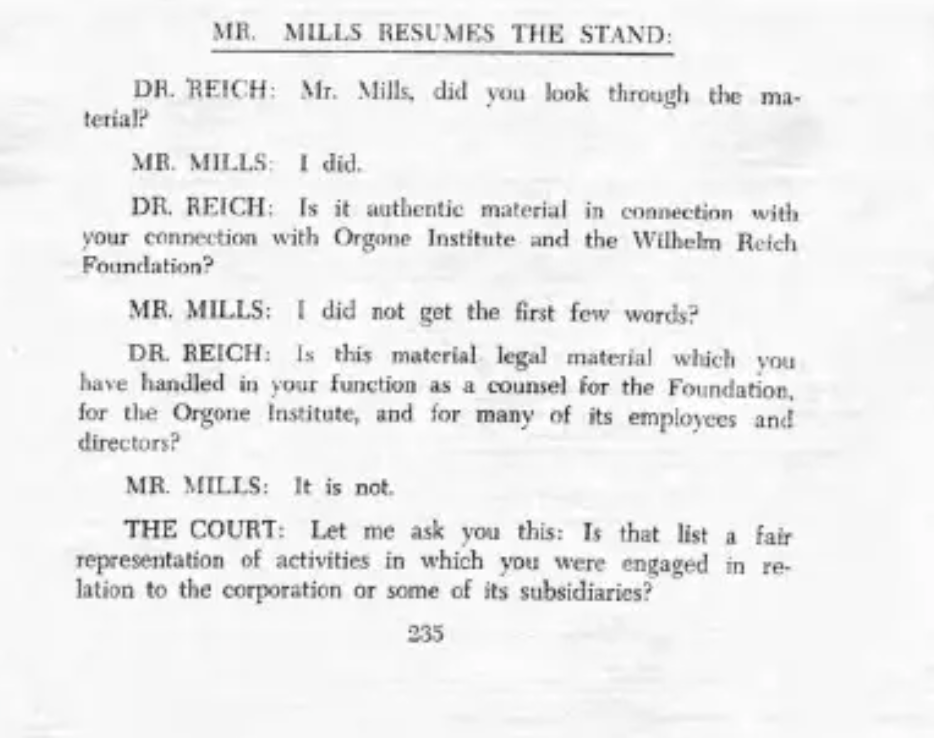
Transcript:
Peter Mills continues to demonstrate a non-genuine and evasive approach to the problem placed directly before him, one he could not escape: the defendant he was prosecuting had, in fact, been his former client. With the documented record of that relationship laid plainly before the court, the only avenue left open to him was deflection. And so he resorted to undermining Wilhelm Reich not on the substance of the facts, but on the periphery: targeting his accent, claiming repeatedly not to have understood him, asking him to repeat what had already been clearly stated.
The heart of the matter was undeniable: Mills had been confronted, in open court, with documented proof that he had previously served as legal counsel to the Wilhelm Reich Foundation, and had personally notarised its incorporation. Rather than address that fact directly, he retreated into petty procedural objections and feigned confusion: a tactic designed to do two things at once: to divert the court’s attention away from the substance of the conflict of interest, and to subtly undermine Reich’s composure and self-possession by forcing him to repeat himself, to slow down, to appear less assured before the bench.
It is a tactic recognisable across every courtroom and every era, when the facts cannot be contested, the person presenting them becomes the target instead. And it reveals, perhaps more clearly than any direct denial could have, that Mills had no genuine answer to give.
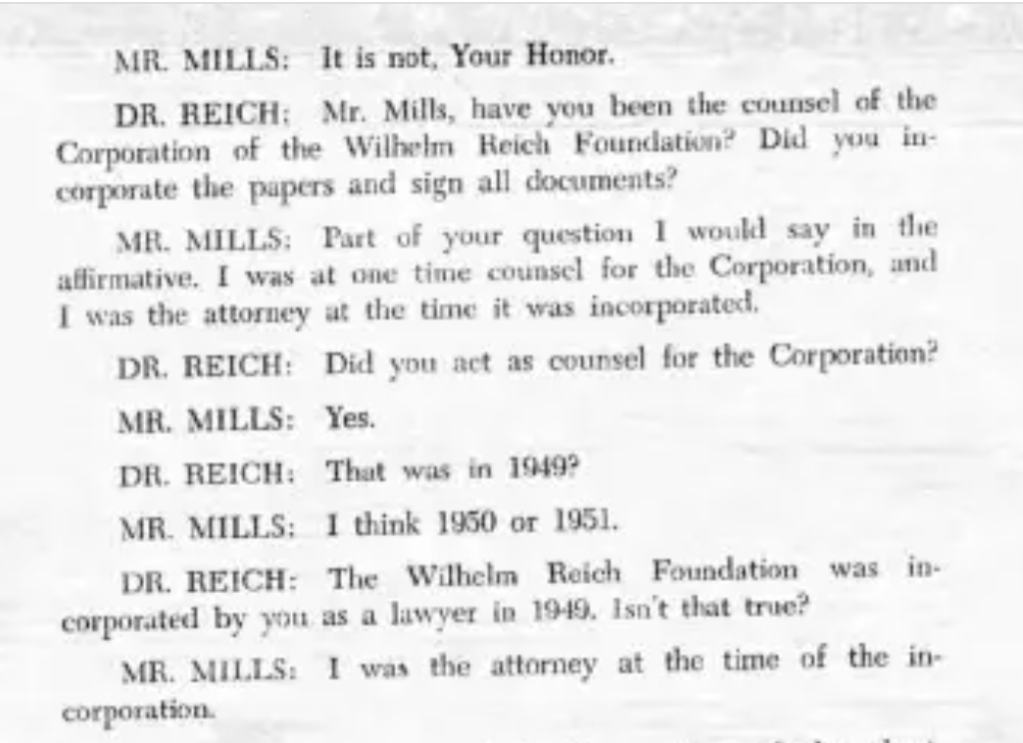
Transcript:
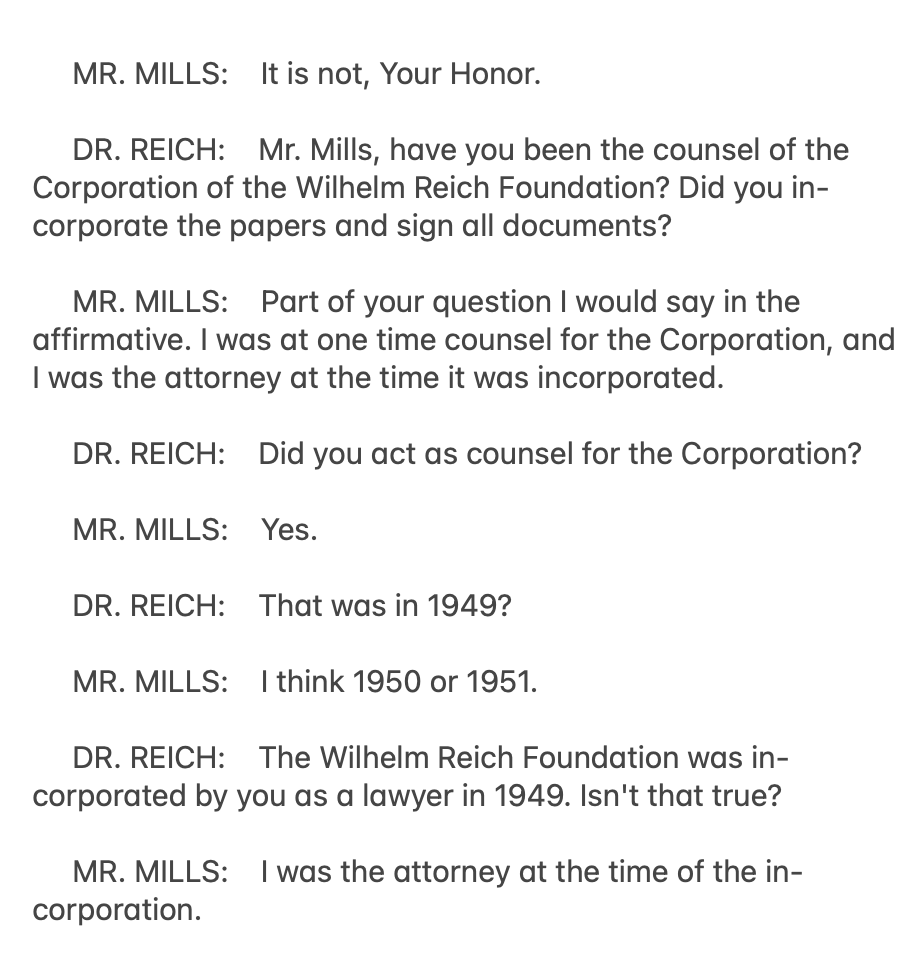
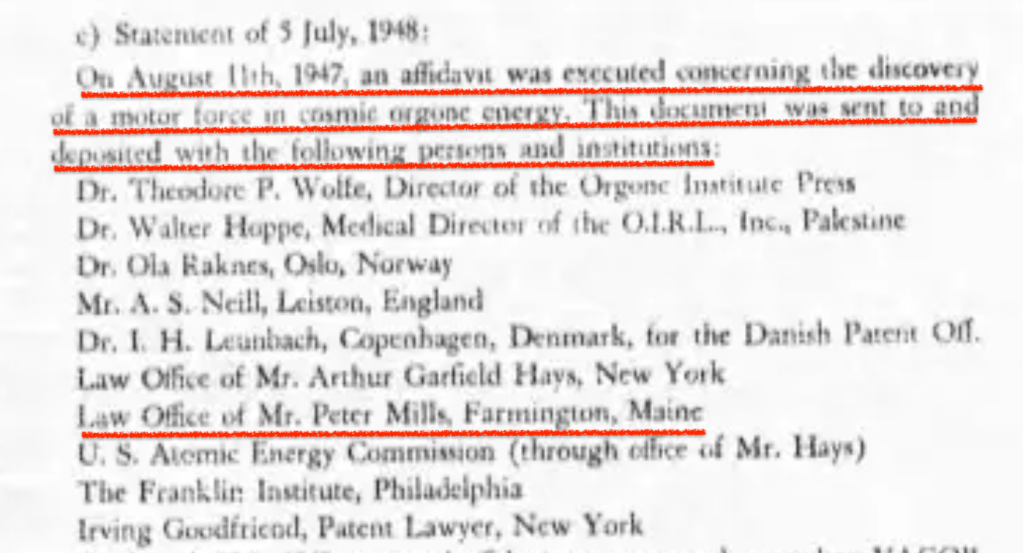
This is the direct admission at the heart of the matter, Mills finally confirming, under Wilhelm Reich’s methodical questioning, that he had indeed served as counsel for the Foundation and was Its attorney at the time of incorporation, while attempting to remain vague on the precise date. Wilhelm Reich’s persistence does not allow the evasion to stand unchallenged.
The pattern of imprecise, hedging answers in response to a documented fact speaks for itself.
Transcript:
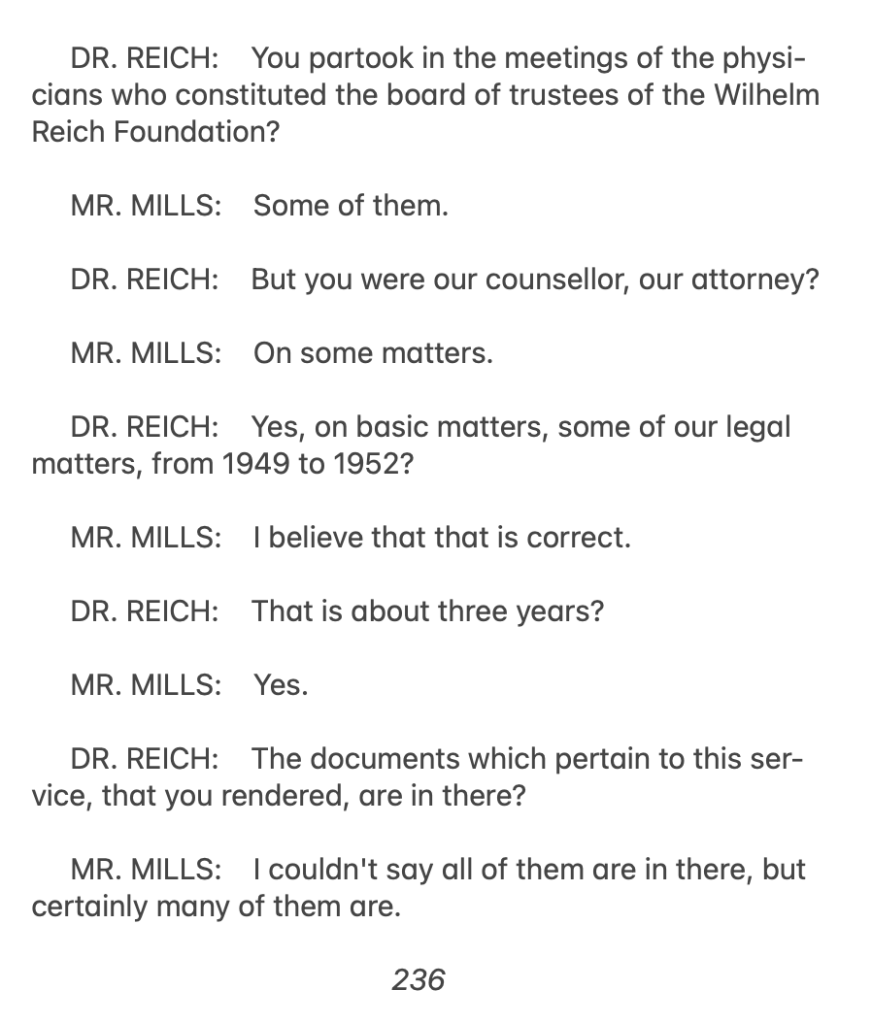
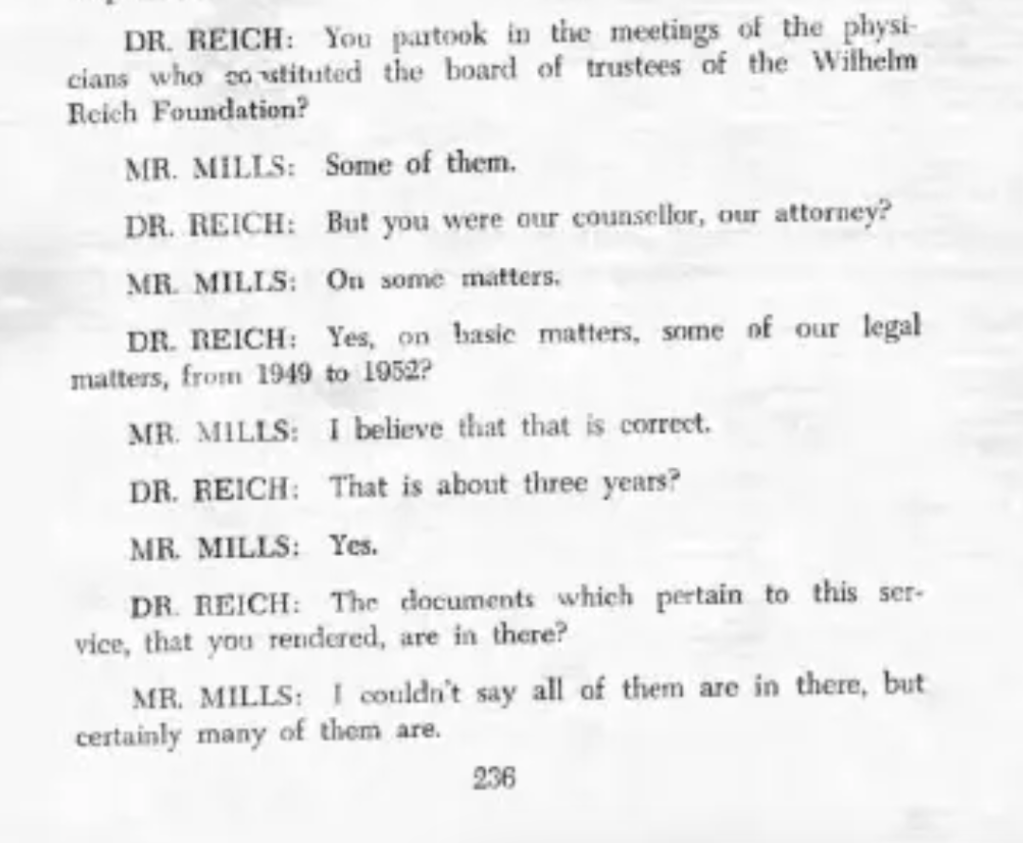
Wilhelm Reich continues his methodical approach, narrowing each evasive answer (“some of them,” “on some matters”) down to a confirmed and specific timeframe of three years: from 1949 to 1952. The pattern of incremental admission under precise questioning continues clearly here.
A masterclass in cross-examination — each time Mills offers a vague qualifier, Wilhelm Reich immediately narrows it back down to something concrete and confirmed.
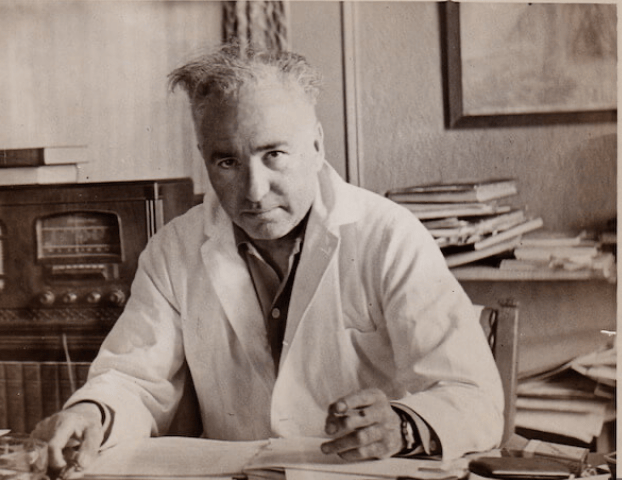
By the end of this exchange, the three-year attorney-client relationship is established beyond any reasonable dispute, in Peter Mills’ own words.
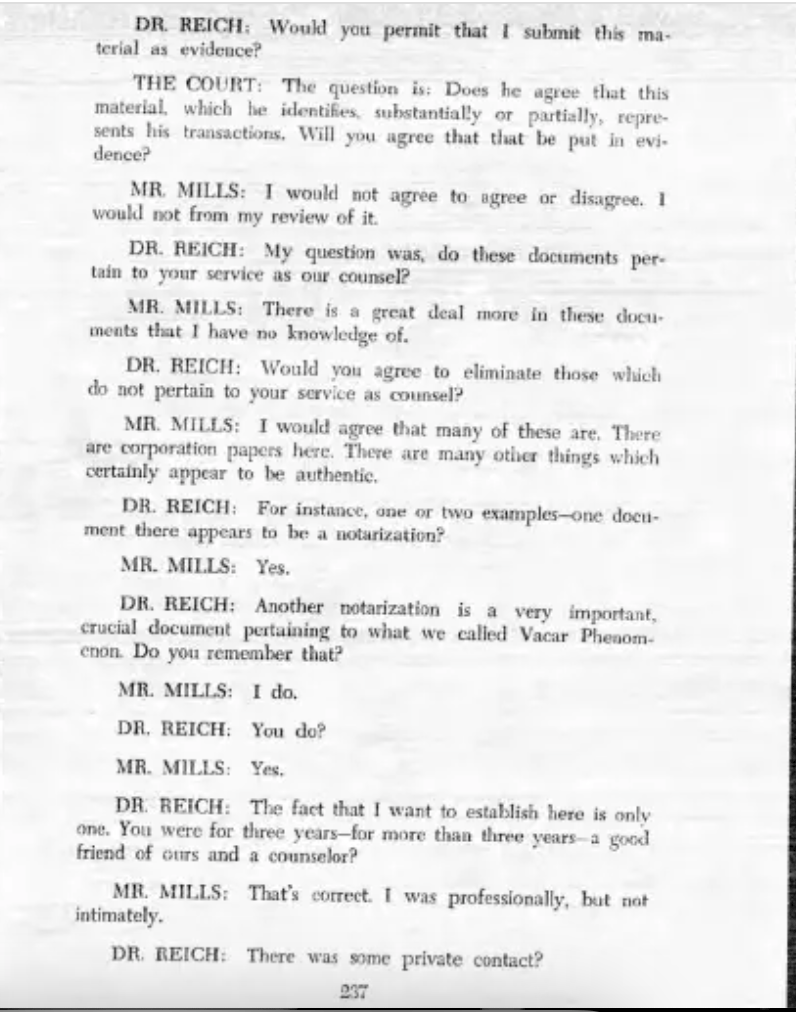
Transcript:
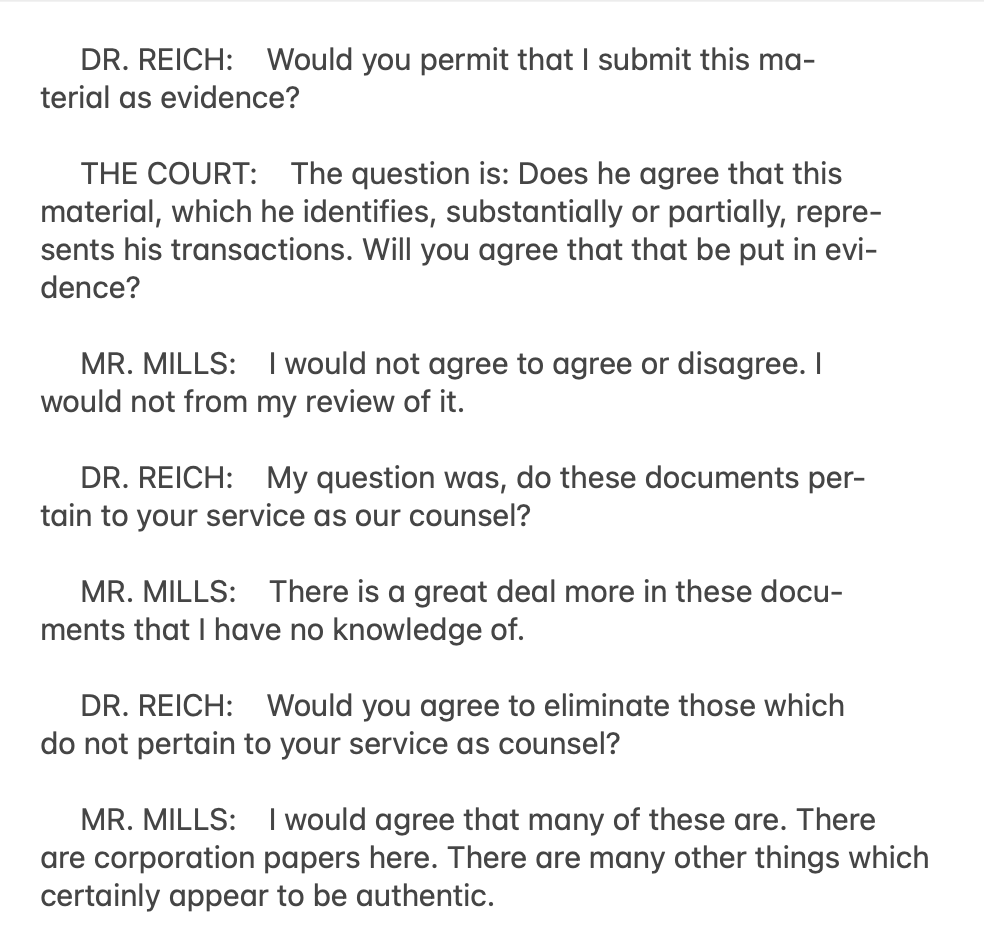
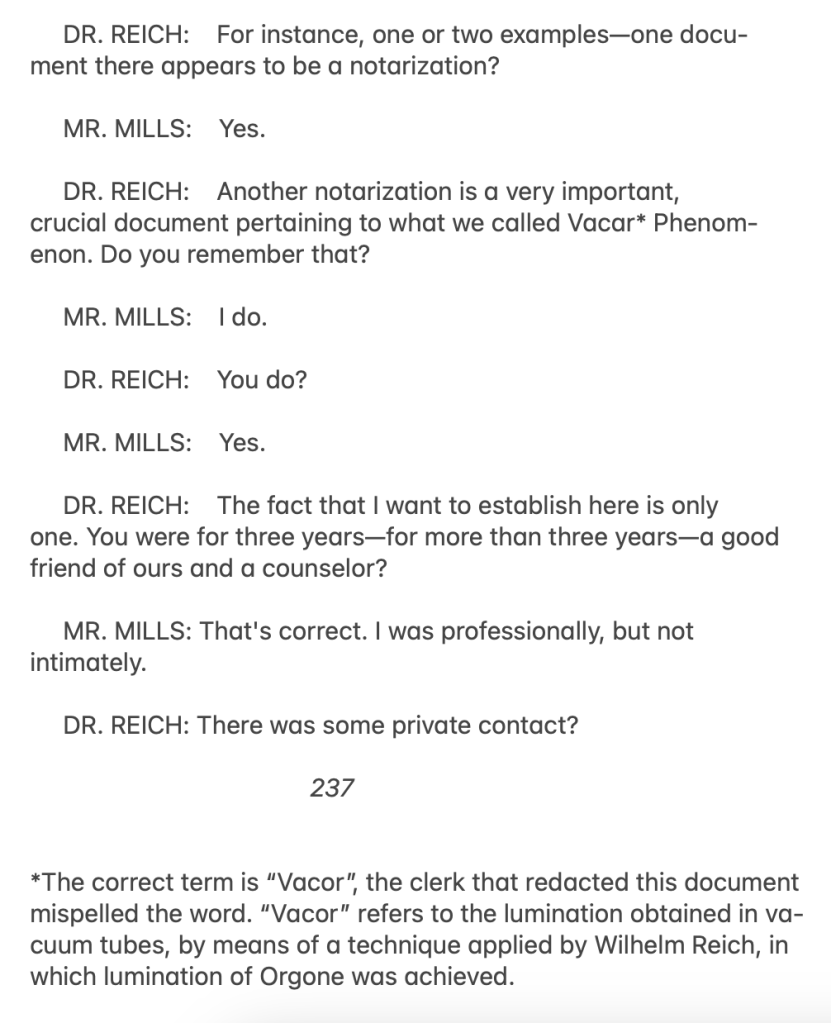
The moment where Mills confirms specific recall of the “Vacor Phenomenon” document is a real turning point in the exchange, it cuts through the pattern of vague, hedged answers and establishes that his memory of the specifics was, in fact, intact when it mattered.
Wilhelm Reich’s pivot toward the personal dimension of the relationship afterward suggests he’s building toward something further.
Transcript:
Mills’ interjection: “Are you asking me a question or testifying?” is a procedural deflection, an attempt to regain control of an exchange he was clearly losing. It carries an edge of condescension toward a man representing himself without legal training.
What follows is the most important question of the entire exchange, asked plainly, humanly, and on the record: why did you cross from being our counsel and friend to prosecuting us as criminals? And the Court’s response: “That is a fair question” acknowledges its legitimacy without evasion.
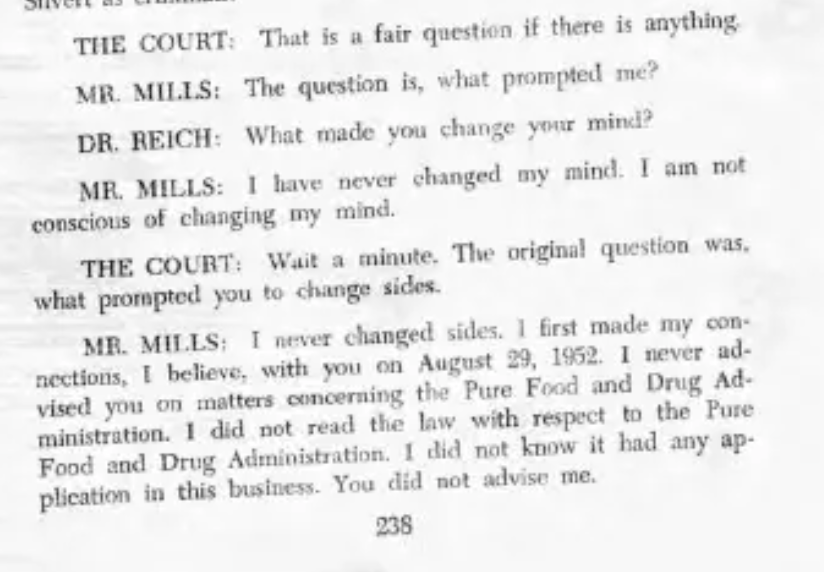
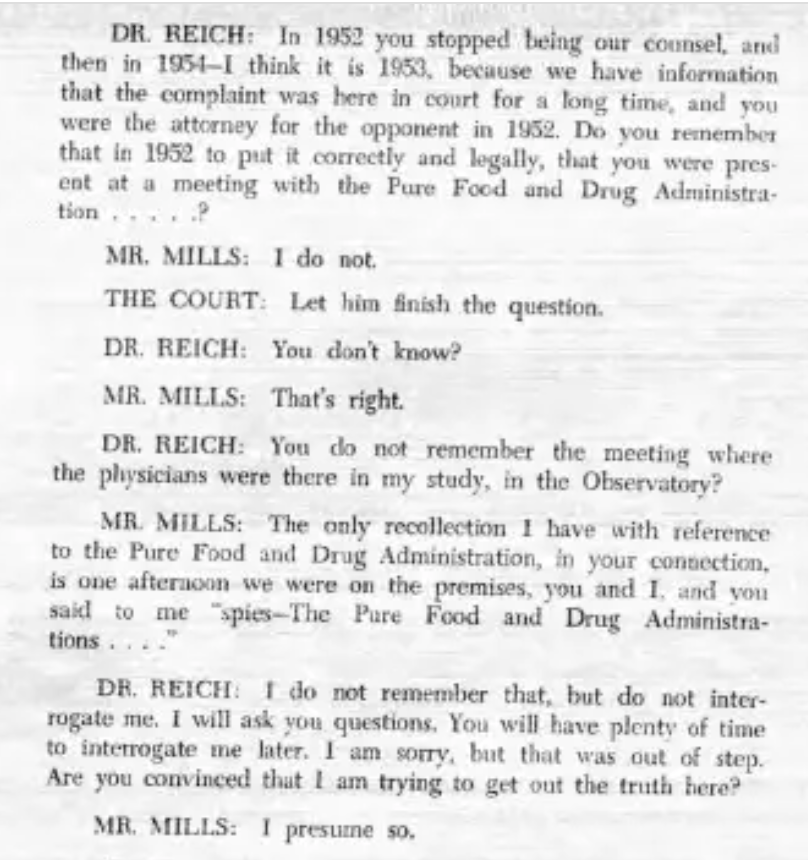
Transcript:
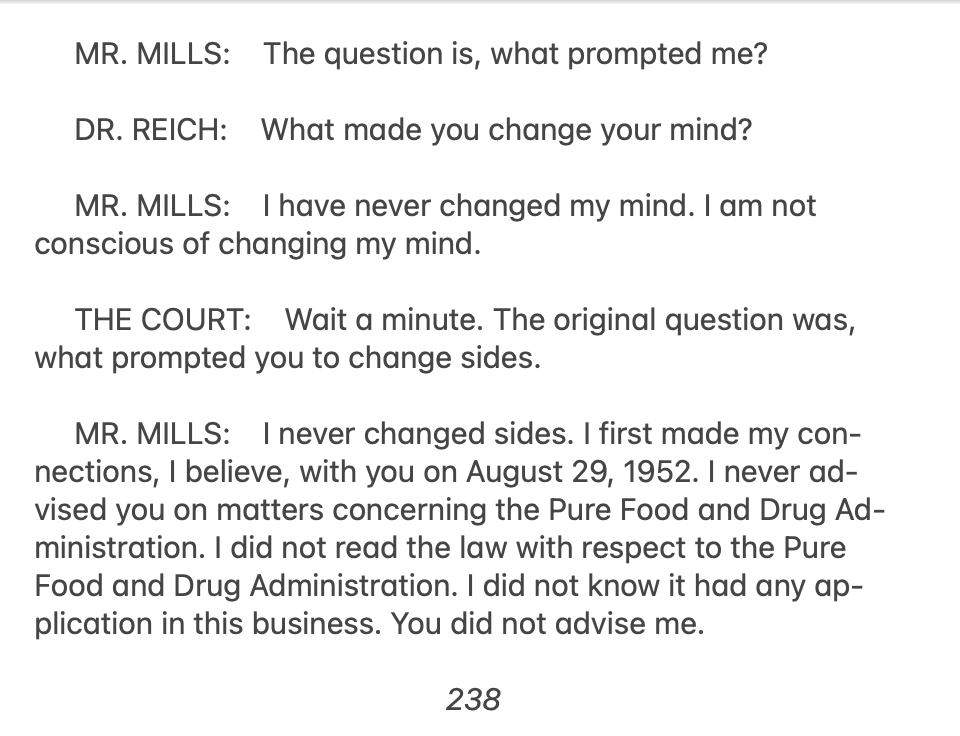

Peter Mills: District Attorney, cherished character, promoted and protected by the Eisenhower administration, as they call it, an administration of fraud and deception, demonstrating in this exchange the lack of composure and equanimity that his position, as the representative of the most powerful nation, allegedly, should convey; his evasiveness, his hedged answers, and his attempts to redirect the examination, reveal a man ill at ease with the documented facts placed before him.
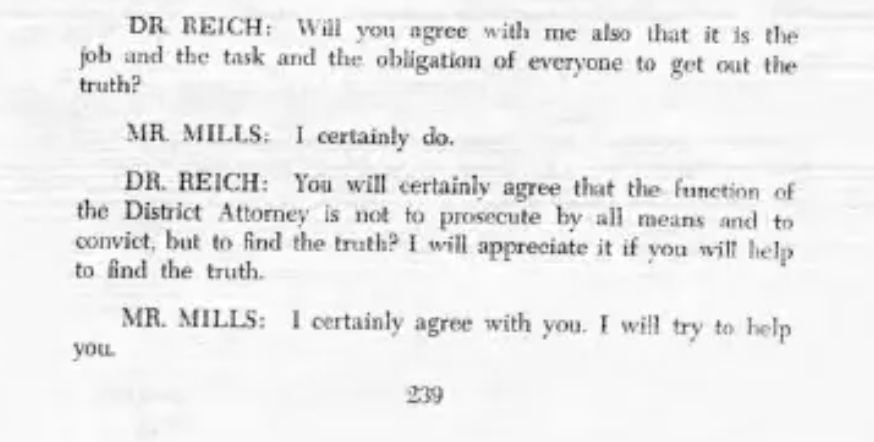
Transcript (bold and italics mine):
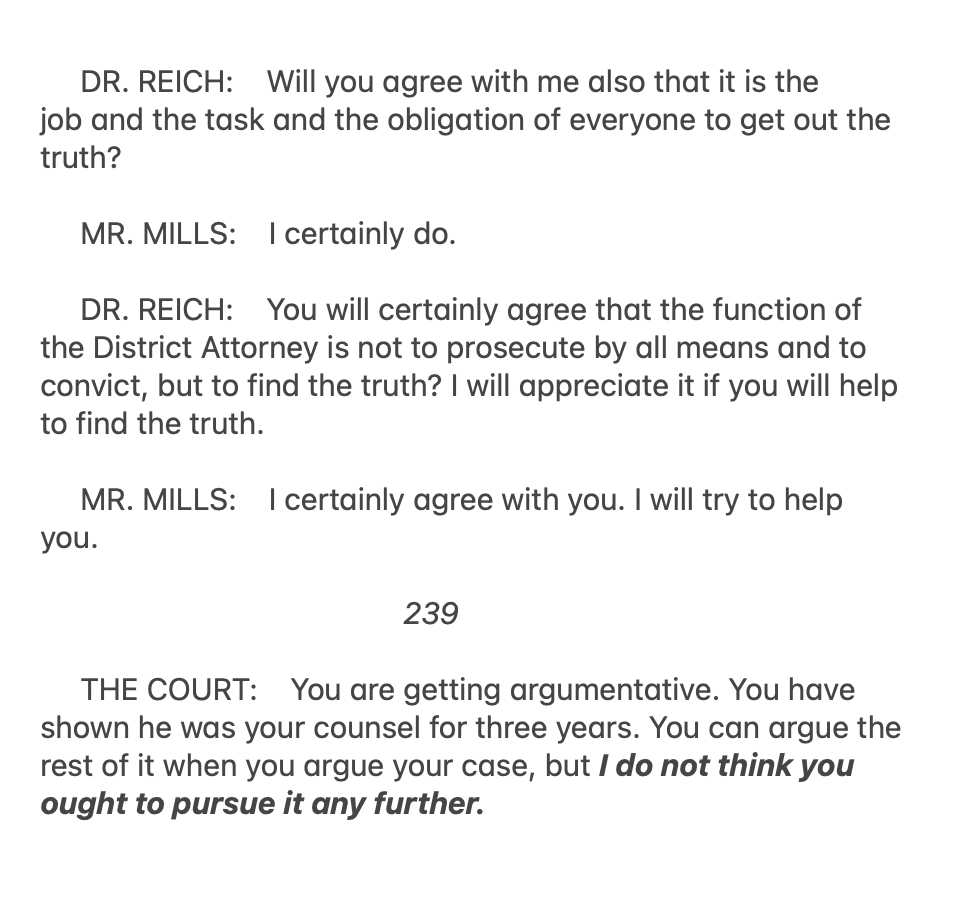
As argumentative as Wilhelm Reich might have been perceived to be “getting” by the court, he was, nevertheless, citing the established foundational doctrine of the prosecutorial role, as affirmed by the US Supreme Court itself, and extracting Mills’ public agreement with it on the record.
A precise and well-placed move that achieved the difficult attempt to begin the process of disentanglement and clarification, of the enormous web of lies and deception concocted through years of manipulation, by the system of deception that he represented. Yet those walls erected against reality, would simply vanish into nothingness, by a simple reminder of the obvious.
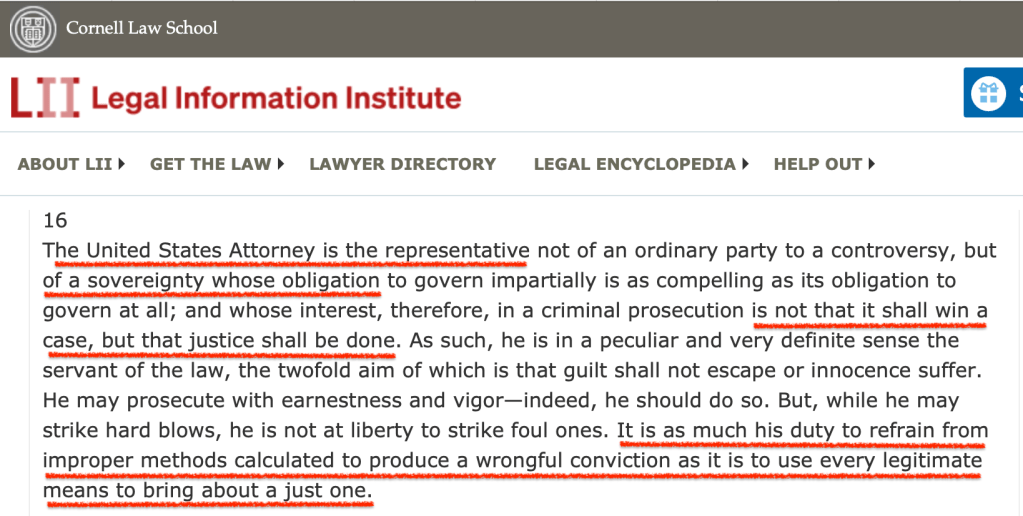
Once the three year attorney-client relationship between Peter Mills and the Wilhelm Reich Foundation had been established through Reich’s cross-examination and acknowledged by the presiding judge, the conflict of interest was on the record. Under established legal and ethical principles, this should have been grounds for Mills’ disqualification from the case and a formal disciplinary review for professional misconduct.
Yet no such action was taken. The proceedings continued, and the sentence against Wilhelm Reich was carried through without questioning.
In the case of the United States v. Wilhelm Reich the dual-role played by U.S. Attorney Peter Mills represents one of the most glaring conflicts of interest in American legal history.
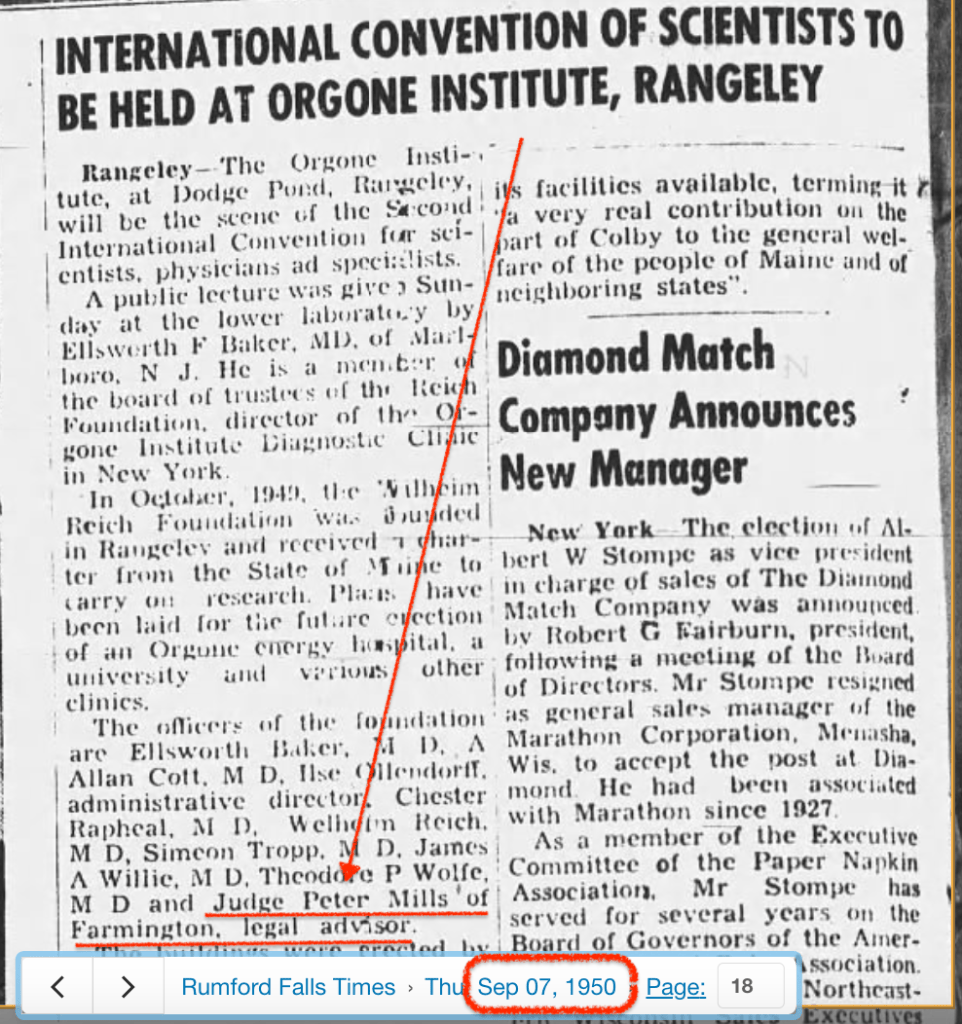
Before his appointment as the U.S. Attorney for the District of Maine, Peter Mills was the private attorney who legally incorporated The Wilhelm Reich Foundation in 1949. He later became the federal prosecutor who ruthlessly pursued the FDA injunction and subsequent criminal contempt charges against his former client, Wilhelm Reich, which ultimately led to his imprisonment and death in federal prison.
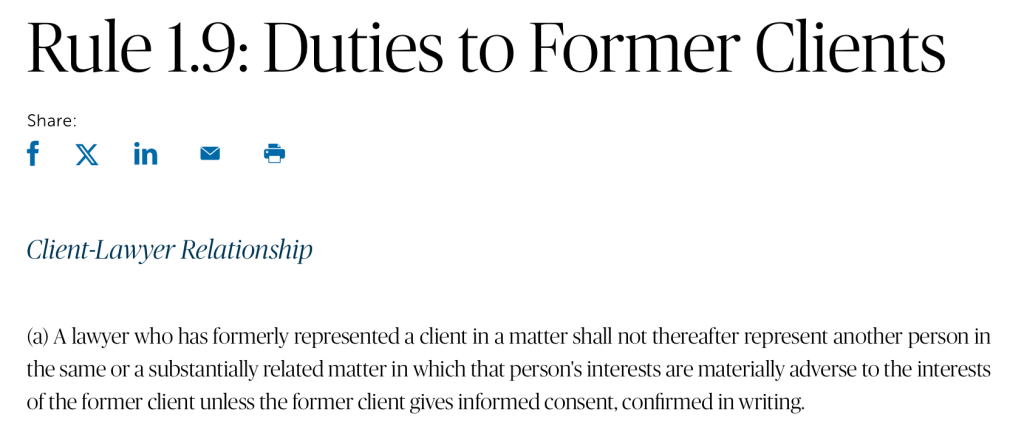
Under established standards of American jurisprudence, criminal procedure, and legal ethics, Peter Mills’s actions constituted a severe breach of conduct.


Had modern conflict-of-interest doctrines been applied, the actions should have carried three major consequences in the case:
1. Mandatory Disqualification of Peter Mills and the Entire U.S. Attorney’s Office
Because Mills was the actual legal architect who incorporated the very entity being targeted by the state (The Wilhelm Reich Foundation), he was in direct possession of attorney-client privileged information regarding the Foundation’s structure and operations.
Also, being the head of the United States Attorney’s Office for the District of Maine, his conflict would have been “imputed” to his entire staff. The court should have barred the entire local federal prosecutor’s office from the case and forced the Department of Justice to appoint an independent special prosecutor from another district.
2. Dismissal of the Criminal Contempt Charges or Vacating of the Conviction
In criminal law, a prosecutor’s breach of a prior attorney-client relationship strikes at the heart of the Fifth Amendment’s Due Process Clause, depriving the defendant of a fair trial. A prosecutor cannot ethically switch sides to prosecute a former client in a “substantially related matter”. The state utilized an unconstitutionally conflicted prosecutor to win its case, the legal remedy should have been a complete mistrial or dismissal of the information.
3. Severe State Bar Disciplinary Action against Peter Mills
Attorneys owe a lifelong duty of loyalty and confidentiality to their clients, which does not expire when the representation ends or when the attorney takes a government job.
Peter Mills should have faced disbarment or long-term suspension by the Maine State Bar.
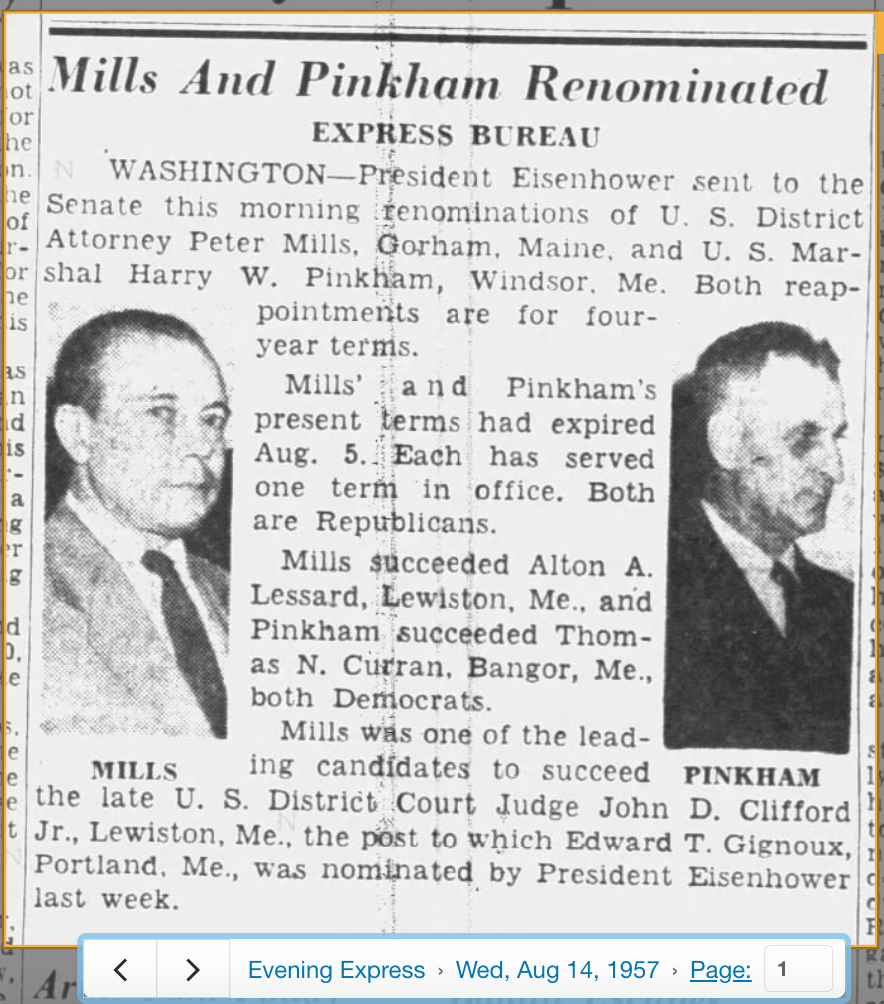
Instead, he was re-nominated as District Attorney for Maine, by Eisenhower.
So why did Wilhelm Reich demonstrate this blatant case of conflict of interest, but did not pursue it further, demanding that the case be dismissed based on this clear act of fraud, from the part of the attorney representing the government?:
To have entered into litigation would have carried the consequence of granting a set of government-appointed representatives the effective right to hold authority over a Scientific Discovery they neither understood nor showed any interest in understanding. Even had such proceedings resulted in the disqualification of Mills and the dismissal of the case, the very basis of that dismissal would have operated under a flawed premise: that the government held legitimate agency over the matter in the first place.
It did not. No government holds jurisdiction over a Scientific Discovery on the basis of legal or administrative authority alone, and that principle applies with particular force where the Discovery in question has been demonstrated, through documented and reproducible evidence, to carry measurable effects on Earth’s living process.
Wilhelm Reich held no legal training, yet he brought to the surface of clarity, from within the pit of that filthy swamp, the reality of who was really in control of manipulating all events leading to his imprisonment, and the destruction of his Work, corroborated by the very judge presiding the trial, who could do nothing, but to be a witness.
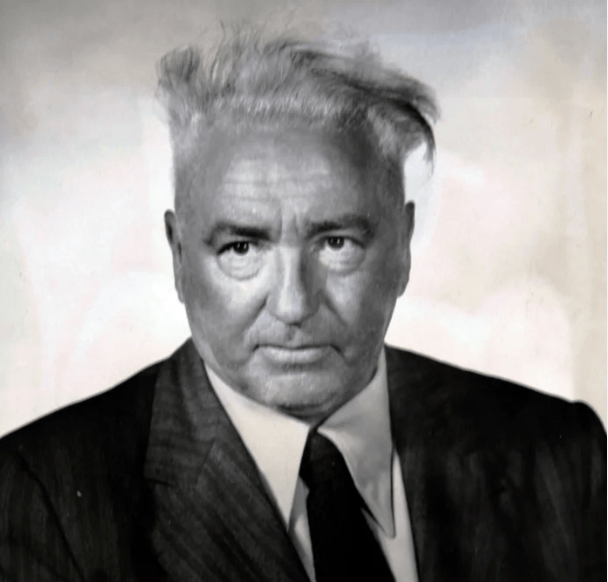
 WilhelmReich